Ashni Math
Monsoon Worms
June. The rain blades, lashes the grass. She steps in bursts across the dirt road. Admires the snails, the wet curd of them.
 The frizz of dust congeals into mud, clumping at her toes. Home, she scrubs beneath her nails. The husband watches in silence as the children shriek laughter, wheeling like the cuckoo.
 There is little domestic comfort in the thick heat that sticks to her skin. At night her flesh is reluctant to pull away from the husband’s, surface tension of sweat.
Perhaps this is the answer for which she searches in the mornings, sipping chai from a ceramic mug before the children wake. She sits on the porch swing and watches the setting moon — ponders the past, as she is wont to do, ponders the children, ponders the night. The wind moans and whips sparks of rain into her face. She brushes wet from her cheek. July. The children begin to suspect. They flock to her feet, squalling, exuberant because they don’t know to be afraid.
“Mamma, when can Pappa take us to the gardens again?”The wet weight of the air aches her bones. “Dahi khao. Eat your yogurt,” she says in answer. In the bedroom, the husband undoes his laces. Rises creakily from the mattress. “Not long now,” he tells her. “Chup karo. Shut up,” she says in answer. His limp smile follows her into sleep. August. “I wish it would happen faster,” she confides in no one. “It hurts me.” There is a leak in the ceiling. She places a bucket under it; at night they listen to the steady beat of the drip, ticking clocklike. The body in her bed begins to unmake itself. It wilts into its own decay. She holds the body, the rubbery flesh. She prostrates herself on the bedroom floor. Opens her knees on the carpet. Makes vows.
“Mamma,” call the children. They pause to gape at the body, dangling like a fruit from a tree. The children swarm. She raises her hand. The children go.
And when it does happen. Paper skin pulled taut, perversely tender, dented and bruised, broken and mended and broken and mended and broken again, torn open at the seams. Crease by crease the body mottles, wrinkles, puckers, softens — sunders all at once into her hands.
It happens and there is nothing to do but go on. She mops the floors, removes the body. Feeds the children. Shut up and eat your dahi.
September. The rain ebbs, drains in the street. She steps over a clot of gently writhing earthworms in the dirt. Admires their rot.__________________________________________________________________________________________________________________________________________________________________________
__________________________________________________________________________________________________________________________________________________________________________
__________________________________________________________________________________________________________________________________________________________________________
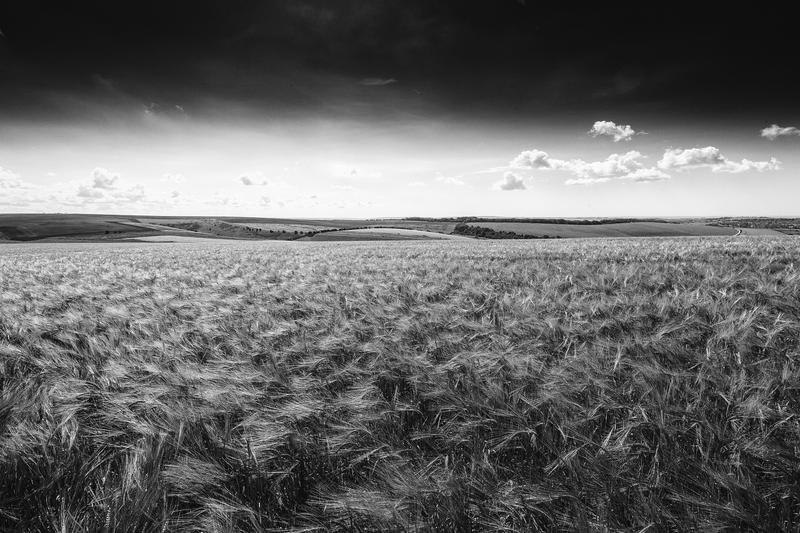
Image by Neil Morrell from Pexels
Ashni Math is a nonfiction writer, poet, and educator located in New York City. A second-year MFA candidate at Columbia University, she creates experimental, genre-fluid, and often bizarre works that ask and occasionally answer the absurd questions of the everyday.
__________________________________________________________________________________________________________________________________________________________________________

__________________________________________________________________________________________________________________________________________________________________________
© 2025 Iron Oak Editions




Stay Connected to Our Literary Community. Subscribe to Our Substack Roots & Words